
Why do we need Asbestos Awareness Training?
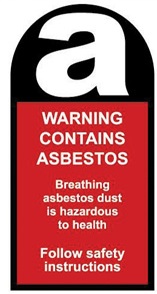
Asbestos remains the leading cause of occupational death in Great Britain, with around 5,000 fatalities each year (HSE statistics).
Latest HSE data for 2023–2024 records 2,218 mesothelioma deaths in 2023, with a similar number of asbestos‑related lung cancer deaths estimated across the UK.
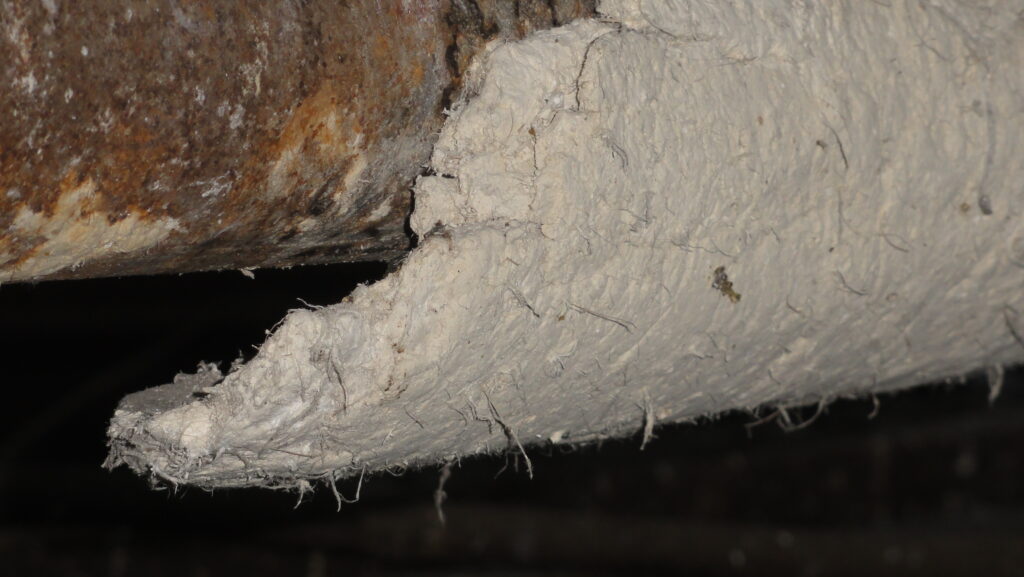
Although long‑term trends show a gradual decline in asbestos‑related mortality, Asbestos‑Containing Materials (ACMs) continue to present the most significant legacy hazard in buildings constructed before the year 2000.
These materials are still widespread across the UK built environment, making asbestos awareness essential for anyone who may disturb the fabric of older buildings.
Our Experience
With 20 years of experience in asbestos consultancy, surveying, and delivering professional training, Revive Audits is exceptionally well placed to meet your asbestos awareness training needs.
In line with your duties under the Control of Asbestos Regulations 2012 and the Health and Safety at Work etc. Act 1974, Revive Audits provides tailored Asbestos Awareness training designed to suit your industry, workforce and operational requirements.
Asbestos Awareness Course Types
Course Content Overview
By the end of this training, delegates will be able to: